
What is Regenerative Agriculture?
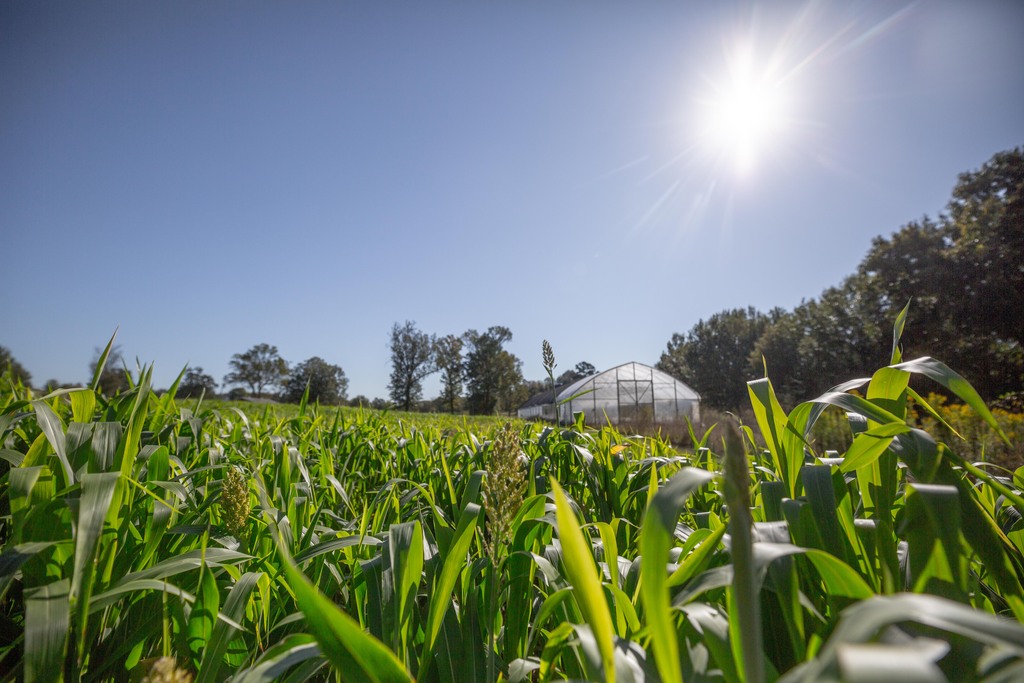
Regenerative agriculture means stewarding the land to create a balanced ecosystem in which the cycles of nature work symbiotically and freely.



We support farmers and ranchers as they build profitable and resilient farming enterprises through regenerative agriculture.
Michaelyn Baur, Senior Country Director
Donna Kilpatrick, Director of Regeneration
The United States’ agricultural sector is one of the most productive in the world, yet its benefits are unevenly distributed. Although 92 percent of farms in the U.S. are small or midsize operations, they tend to operate on extremely tight profit margins. This precarity affects more than the farmers themselves; it affects the stability of local and regional food systems and can limit access to healthy, locally produced food.
Small and midsized farms often carry a higher debt ratio than large farms and rely on off-farm income to make ends meet. Rising input costs, limited access to land and financing, gaps in technical support, and increased consolidation with few buyers controlling much of the market make it tough for smaller farmers to stay in business.
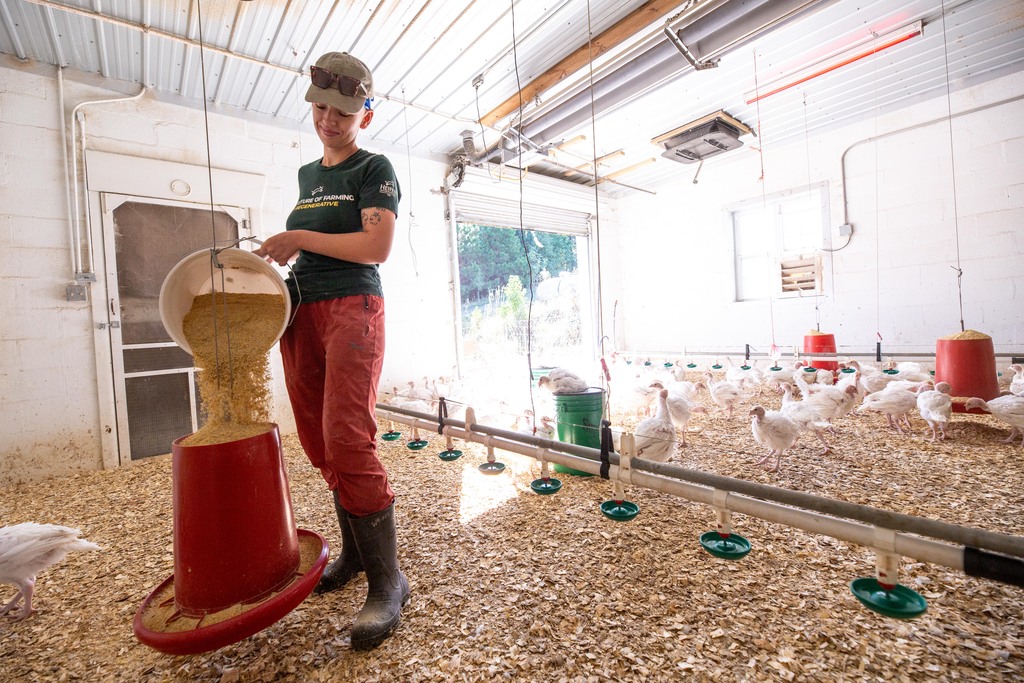 Heifer USA supports small-scale and midsized farmers and ranchers across the United States by providing education, resources and connections that help them build sustainable livelihoods through regenerative agriculture. Regenerative practices offer farmers an alternative that can reduce input costs, build resilience to a changing climate, and support the production of healthy food and livestock. We provide training and technical support that promote healthy soils and resilient farms, and all the benefits that come from these practices. This work is grounded in science-based approaches that support farmers as they build rich soils and conserve water and biodiversity.
We are based at the Heifer Center for Regenerative Agriculture, a 1,200-acre working ranch in Perryville, Arkansas, that serves as the anchor for our work. The ranch is a training ground and demonstration site that brings farmers together for hands-on learning, peer exchange and problem-solving. It delivers practical tools and infrastructure that benefit rural communities, sustain farmer livelihoods and contribute to a more resilient U.S. food system.
Our primary objective is helping families achieve a sustainable living income, our measure for the amount of money required for a decent life — including safe shelter, nutritious food, clothing, education and health care — while also reaching additional benchmarks for economic and climate resilience.
Year Heifer launched in United States
Household participants in 2025
Household participants to date
 Heifer International’s work is organized at the country level into signature programs focused on large-scale and measurable impact achieved by building partnerships at all levels. Each program supports farmers through time-bound projects designed to increase their household income.
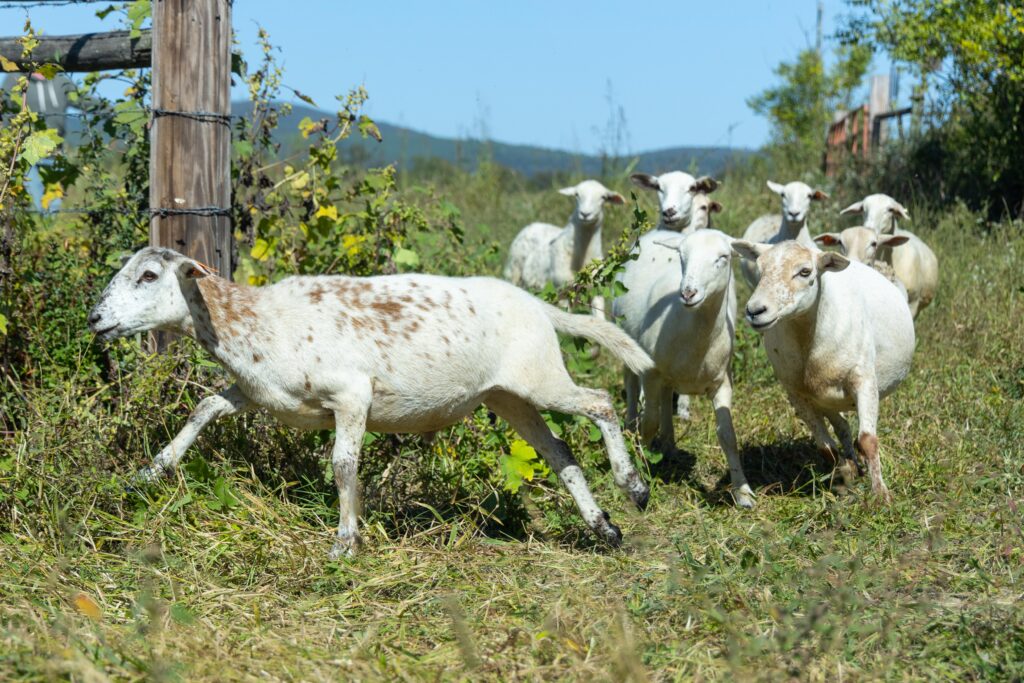
Heifer’s signature program in the United States, Regenerative Agriculture, advances farmer-led approaches that nurture soil health, strengthen local food systems and build resilient farm businesses. We provide spaces for farmers and ranchers to see and learn about regenerative principles and apply them on their land.
Project timeline: Ongoing
The Digital Education project expands access to regenerative agriculture training through high-reach digital platforms. Its flagship Heifer USA YouTube channel delivers expert-led, farmer-tested content that broadens access to trusted regenerative knowledge and strengthens peer learning. The project supports resilient food systems and extends Heifer USA’s impact nationally and globally.
Project timeline: Ongoing
The Experiential Education project accelerates farmers’ adoption of regenerative agriculture through hands-on training, applied research and peer learning at the Heifer Center for Regenerative Agriculture in Arkansas. Visitors to this 1,200-acre living laboratory gain practical skills that can reduce risk while transitioning to regenerative practices and strengthen market and community connections. The project builds farmer capacity, improves ecosystem health and advances resilient regional food systems.
Regenerative agriculture means stewarding the land to create a balanced ecosystem in which the cycles of nature work symbiotically and freely.

With support from Heifer USA, one farmer is establishing himself as the first pastured pork producer in Mississippi — and transforming his land into an investment in his family’s future.

The Heifer Center for Regenerative Agriculture is a living, working farm offering hands-on training, practical courses and free online tools that help farmers apply regenerative practices in real time.
Orlando Trainer, President, Unlimited Community Agricultural Cooperative
Did you know?
You can add multiple resources to this cart! Feel free to keep browsing, add more resources, and get all of your resources in one package. Easy!
Cart is empty
Success!
Please be patient while we send you to a confirmation page.
We are unable to process your request. Please try again, or view common solutions on our help page. You can also contact our Donor Services team at 855.9HUNGER (855.948.6437).
Success!
Please be patient while we send you to a confirmation page.
We are unable to process your request. Please try again, or view common solutions on our help page. You can also contact our Donor Services team at 855.9HUNGER (855.948.6437).

