
When Women Invest Together, Communities Grow Stronger
By Heifer International | February 19, 2026
Women farmers in rural Rwanda are claiming credit, building capital and shaping their own economic futures.


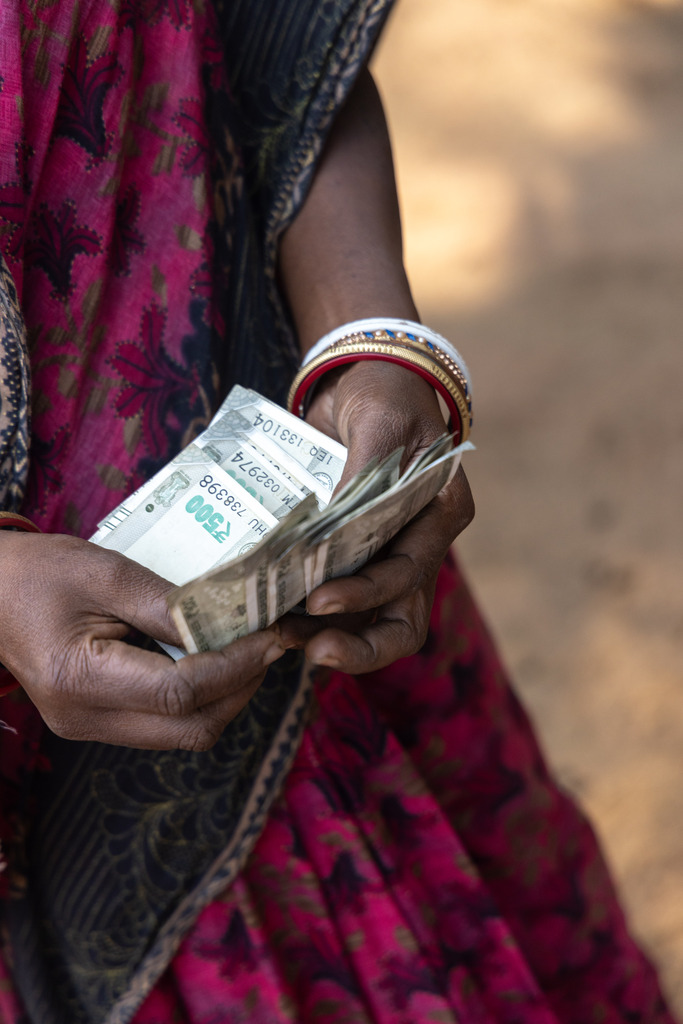
Heifer International is excited to mark this International Year of the Woman Farmer alongside many others in the global development sector. During 2026, we’ll be elevating the voices of women smallholder farmers, who represent over two-thirds of our program participants — and who, with intentional investment, have the potential to transform food systems across Africa, Asia and the Americas.
These women, who traditionally have very limited means and livelihood prospects, are eager for the chance to forge new and better opportunities for themselves, their families and their communities. But several factors have to come together to position them for success, given the social, economic and political obstacles they often face.
Access to improved farming techniques and business management skills are parts of the mix, as is gaining a solid understanding of how to interact with market actors. A supportive policy environment, to ensure women have an equal footing in society, is also key.
Availability of financing is another essential component. Like entrepreneurs everywhere, women smallholder farmers benefit from credit instruments to help them form, grow and diversify their farming enterprises. Finance is the fuel that drives their efforts to improve income potential and the food and nutritional security of their families.
Financial access is a key element of Heifer’s programmatic approach, accelerated in many cases by strength through collective action. Women farmers typically join together in self-help groups to pool individual savings into larger sums loaned out periodically to different members. It’s inspiring when these groups gain momentum and provide women with a foundation to pursue formal financing and thus open more economic doors.
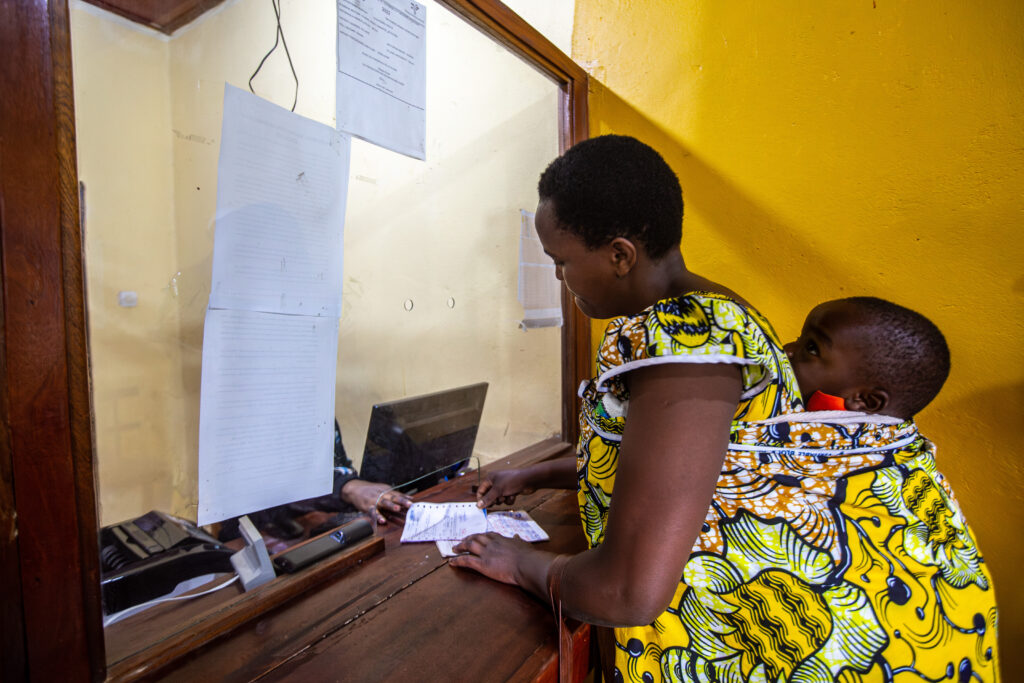
That is the story of Jeanne d’Arc Barakamfitiye in Rwanda, a farmer who initially established a modest egg-producing business with support from her self-help group, then diversified her farm income streams thanks to formal credit. Or Rebeka Begum in northern Bangladesh, who tapped loans through her cooperative to purchase more-productive dairy cows, buffaloes and a biogas system as her business grew.
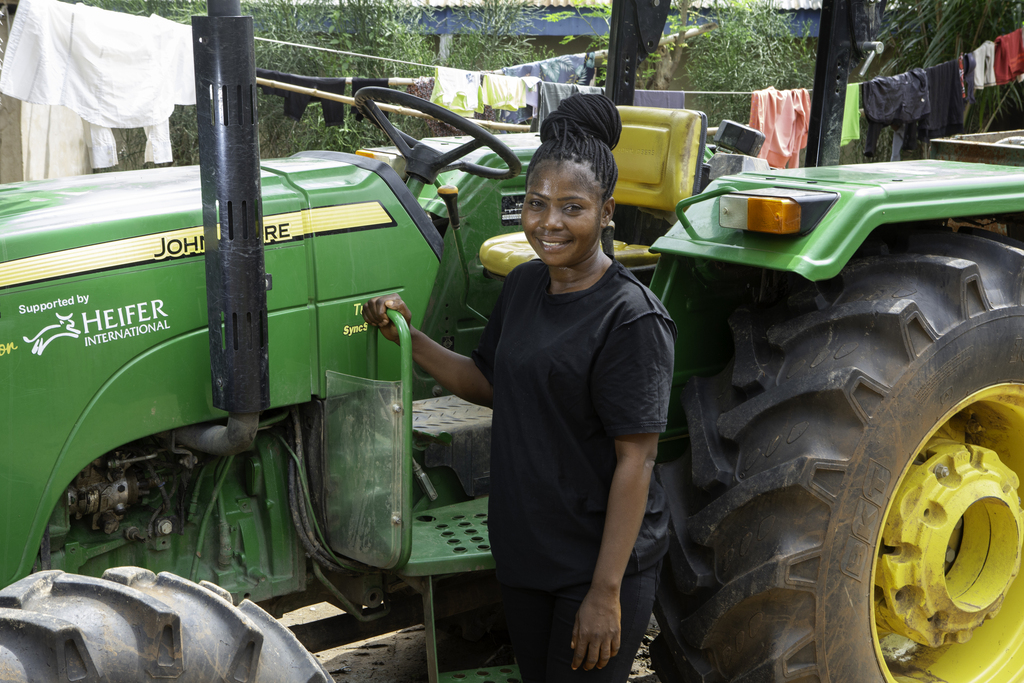
From a food systems perspective, creative financing approaches for women farmers can propel better results for agricultural productivity and stability at scale. For example, Nigerian farmer Felicia Mbaidooue Gbuuka purchased a tractor through Heifer and Hello Tractor’s innovative “pay-as-you-go” financing system in Africa, which enables tractor owners to provide rental services to other smallholders and repay their purchase loan as they generate income. As a tractor owner, Felicia is now running a business for herself while making tractor services available in her remote area, offering a locally led solution for increasing yields and reducing manual labor. She, like other owners through the initiative, has also stimulated job creation in the regional farm economy, employing both a tractor operator and manager to help facilitate her machine’s rentals.
Access to finance should be coupled with financial literacy training that builds women’s business acumen and puts them in the driver’s seat as they manage their businesses and prepare for the unexpected. This mitigates the risks for women farmers who are new to the world of credit and engaging with financial providers.
Beyond banking, access to crop, flood and other insurance products can mean the difference between a household experiencing crisis or resilience after a poor harvest. As with credit, insurance should be tailored to the typical income patterns of farmers who generally need the insurance before they have earned income from the intended harvest.
After decades of partnering with women farmers, we know that access to finance can help them turn their own worlds around toward a brighter future for themselves, their families and the nations they feed.
We’re honored to bring locally owned solutions like these — and the women behind them — to the global stage. Throughout International Year of the Woman Farmer, through our She Has a Story to Tell campaign, we’ll continue sharing stories of women driving transformation in food systems and the proven holistic strategies that enable them to act with agency for all our benefit.
I invite you to join us this year in standing with women farmers — and supporting them to harness their power toward sustainable change.
By Heifer International | February 19, 2026
Women farmers in rural Rwanda are claiming credit, building capital and shaping their own economic futures.
Did you know?
You can add multiple resources to this cart! Feel free to keep browsing, add more resources, and get all of your resources in one package. Easy!
Cart is empty
Success!
Please be patient while we send you to a confirmation page.
We are unable to process your request. Please try again, or view common solutions on our help page. You can also contact our Donor Services team at 855.9HUNGER (855.948.6437).
Success!
Please be patient while we send you to a confirmation page.
We are unable to process your request. Please try again, or view common solutions on our help page. You can also contact our Donor Services team at 855.9HUNGER (855.948.6437).