Behind every cup of coffee is a farmer. Someone who grows, harvests and prepares the beans that millions of people enjoy every day.
But despite how much the world spends on coffee, many of the farmers who grow it still struggle to make ends meet. That’s why Heifer International works alongside farming communities to build stronger businesses and create opportunities to overcome hunger and poverty.
So, how much of what we pay for coffee actually reaches the people who grow it? And what can we do to help make the coffee industry more fair?
Coffee Addicts
- U.S. adults drink coffee daily
- The average coffee drinker consumes every day
- Americans drink more than 500 million daily
From Bean to Cup
- Farmers harvest raw, unroasted beans called cherries.
- Middlemen or cooperatives buy the cherries and sell them to processors.
- The beans are dried in the sun or fermented, then milled and sorted.
- Traders buy the beans and sell them to importers in other countries, who then sell them to roasters.
- Roasters turn green coffee into the familiar brown beans.
- Roasted coffee is packaged and labeled.
- Coffee shops, if they don’t roast themselves, buy the roasted coffee and sell it to you.
Coffee Farmers Pay the Price
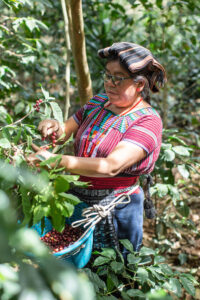 Unfortunately, the farmers who grow the beans often receive a surprisingly small share of the money that traders, shops and consumers pay for it. These farmers work tirelessly to produce high-quality beans, only to face unpredictable prices, rising costs and little negotiating power. Even a successful harvest doesn’t guarantee they’ll earn enough to support their families.
While coffee creates opportunities and profits throughout the value chain, too many of the farmers who make it all possible are still struggling to make ends meet.
Helping Coffee Farmers Earn More
Marilú Rivera has been growing coffee in Ecuador since she was a child. She knows firsthand that working hard doesn’t always mean earning enough.
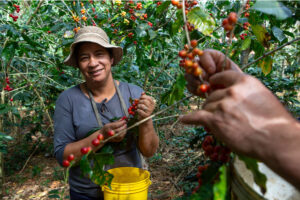 But with support from Heifer International, things are changing. Through training in sustainable farming practices, Marilú has learned new techniques to improve her soil, strengthen her coffee plants and increase production.
Heifer also works alongside local self-help groups and cooperatives to help farmers like Marilú sell their coffee collectively, negotiate better prices and earn more from their hard work.
For Marilú, growing coffee has finally become an opportunity to build a better future for her family.
What You Can Do To Support Coffee Farmers
-
Look for brands that explain where their beans come from and how farmers are compensated.
-
Certifications can be helpful, but they’re not a guarantee that farmers earn a living income. Look for transparency about sourcing practices and farmer pay.
-
Support organizations working alongside farmers to improve production, strengthen local businesses and connect them with better markets.


