
What is a Value Chain?
By Alyssa Cogan | September 19, 2025
A strong, equitable value chain can help vulnerable people provide nutritious food for their families and communities while earning a fair wage for themselves. But what is it, exactly?

March 18, 2026
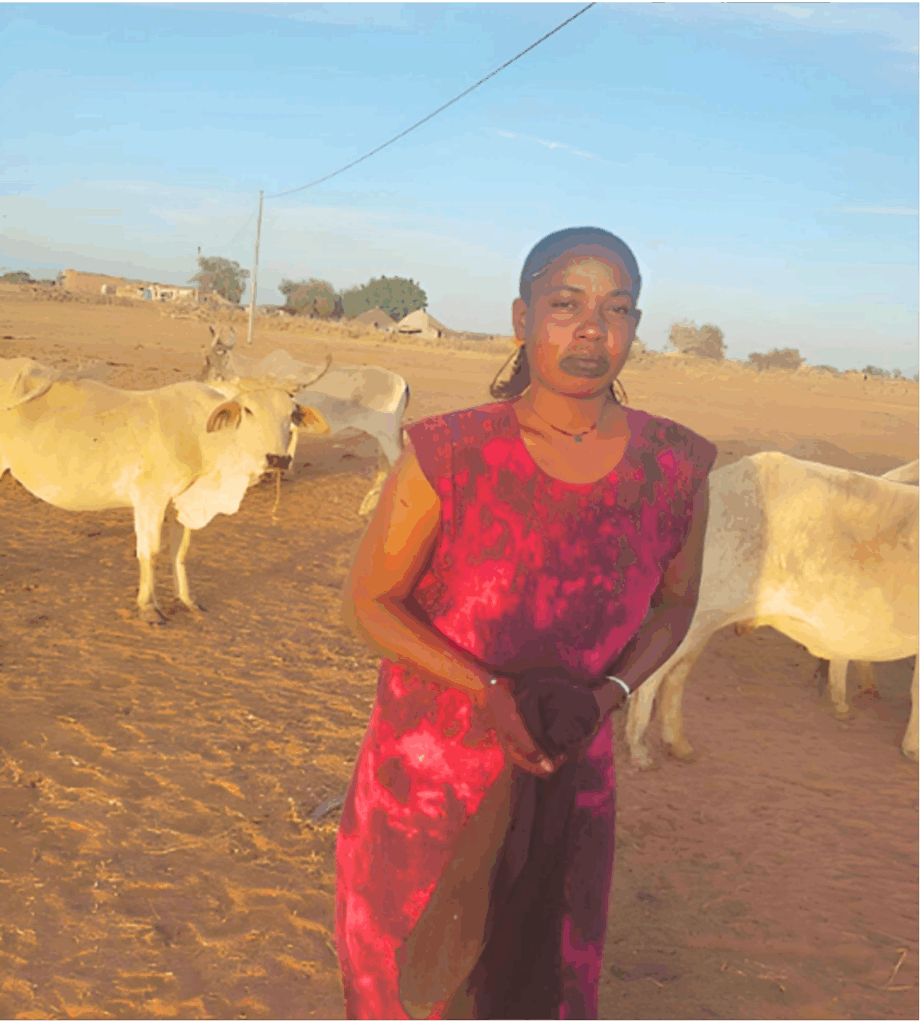
Governments in the Sahel are navigating a demanding economic transition as they balance fiscal reform with the need to strengthen domestic production and generate employment opportunities for a rapidly growing youth population. In many countries across the region, more than 60 percent of residents are young people under the age of 35.
While national economic data show steady growth in countries such as Niger and Senegal, governments still face the challenge of turning that growth into stable livelihoods in rural communities. For many young people in these areas, particularly young women, the real issue is not national growth figures, but access to reliable work and income close to home.
Rural agricultural economies remain a primary source of household income in the Sahel and can help drive this economic transition, if each stage of core value chains reliably work together.
Livestock is central to this opportunity. Beyond its importance as a source of food, income and financial security for pastoral and agropastoral households, the livestock sector is one of the region’s most labor-intensive and locally embedded industries. It supports feed producers, veterinary service providers, milk collectors, processors and traders, creating multiple entry points into rural economies for young people. When feed supply, animal health services and market coordination function reliably, employment expands along the value chain and income becomes more predictable. This stability helps households plan, invest in their farms and weather difficult seasons, ensuring rural communities share in national economic gains.
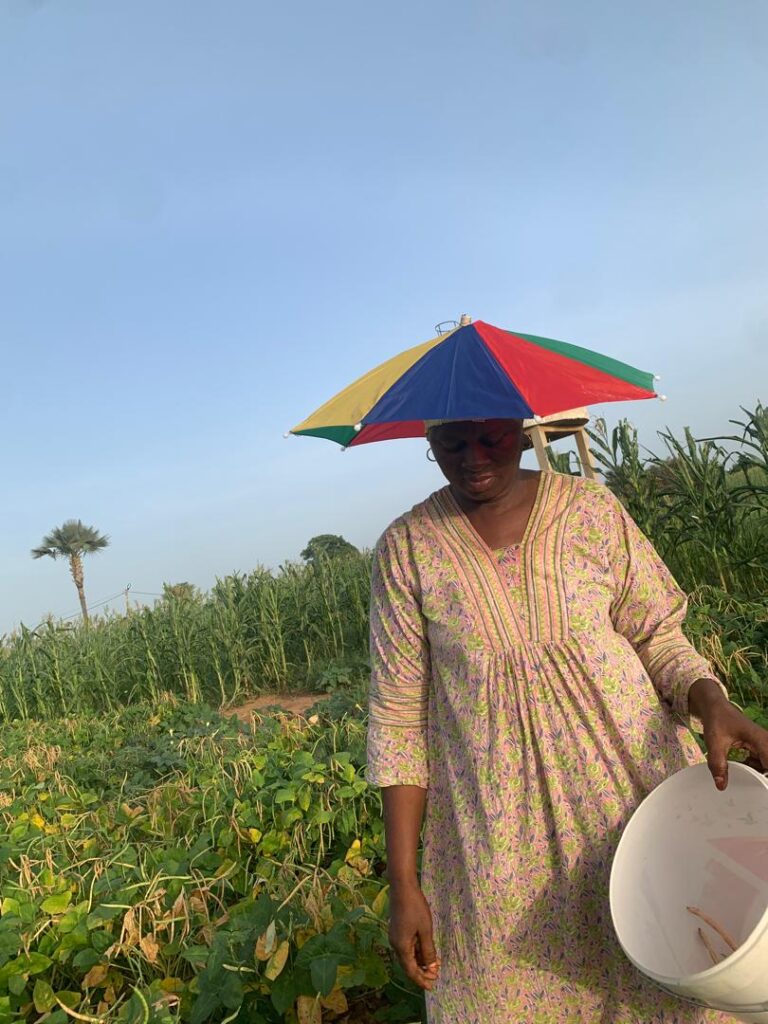
This is the approach behind the Meliteji WASU Project, a regional initiative with operations in Côte d’Ivoire, Mali, Niger and Senegal that is funded by Mastercard Foundation and implemented by Heifer International in collaboration with Laiterie du Berger and FAM Advisory. The project collaborates with government authorities and local organizations across participating countries to facilitate effective implementation and maximize impact. In Senegal, for example, it engages closely with the Ministry of Agriculture, Food Sovereignty and Livestock and farmer organizations, including the Réseau des Organisations Paysannes et Pastorales du Sénégal (RESOPP), to strengthen livestock systems and deliver measurable employment outcomes for youth, particularly young women.
By the end of 2025, the project’s second year of implementation, 15,761 livestock sector jobs had been created, supported or improved for young people under age 35. More than 10,600 of these jobs — over 67 percent — are held by young women. This progress comes from steady growth across the dairy value chain, including in fodder production, milk collection, animal health services and dairy management. As these value chain activities have expanded, businesses have begun to operate more efficiently, productivity has increased and farmers have earned more reliable incomes.
Job numbers alone, however, are not enough to secure stable livelihoods in rural communities. How those jobs are created, and at what cost, matters. The average cost per job created through Meliteji WASU, for instance, stands at $132 across the project’s four-country implementation, well below the benchmark of $242 per job. In a context where public resources are limited and governments must prioritize value for money, this level of cost-effectiveness makes a strong case for investing in livestock systems as part of national employment strategies.
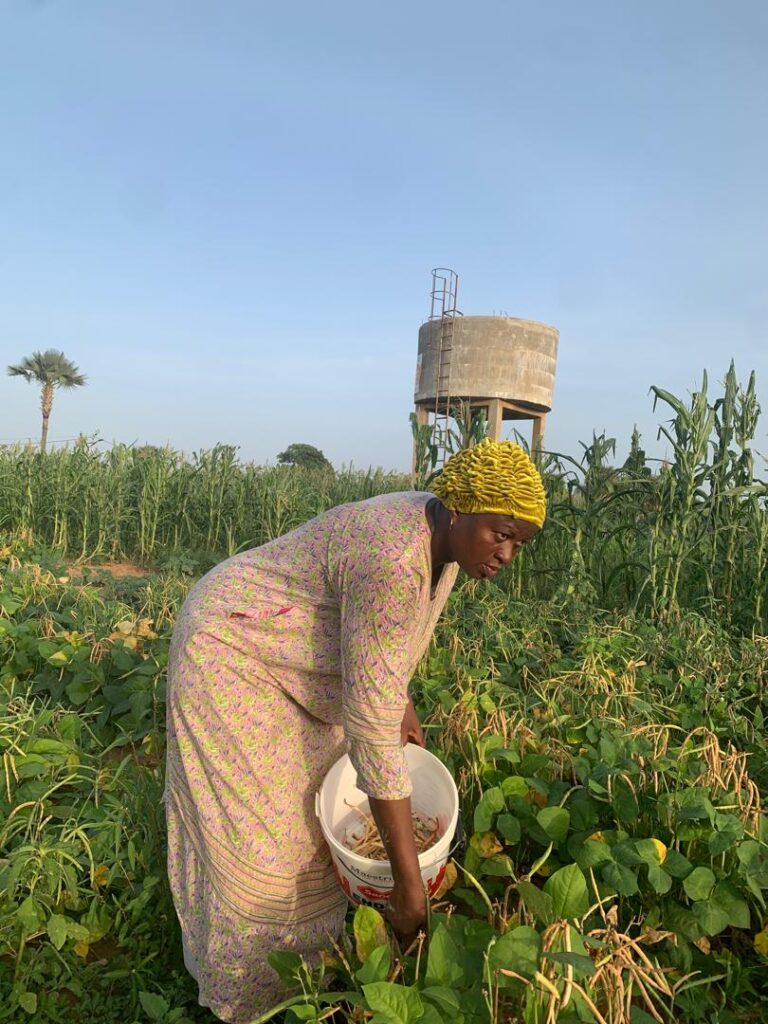
A closer look at the employment data under the project shows where transformation is taking place. More than 63 percent of the jobs are linked to improved access to animal feed, and over 31 percent are connected to strengthened animal health and reproduction services. These two pillars, feed and herd health, form the technical foundation of dairy productivity. With reliable feed and herd health systems, dairy producers experience fewer losses, their production stabilizes and opportunities emerge for service providers such as fodder producers, veterinary technicians, milk collectors and small-scale dairy traders.
The project is strengthening feed and herd health systems through its partnerships. Heifer facilitates vaccination and deworming campaigns delivered by public livestock technicians in collaboration with producer cooperatives and trained community livestock facilitators. Community livestock facilitators support awareness, mobilization and follow up at the village level. Their work reinforces the efforts of government livestock officers and helps extend services to rural farmers.
In parallel, preventive animal health services and reproductive practices facilitated by Meliteji WASU align with national standards, helping ensure continuity beyond individual project cycles.
The impact of this coordinated approach is visible on the ground. Across the regions of Saint-Louis, Louga, Fatick and Kolda in Senegal, 19,099 dairy cows belonging to 4,417 young producers have been vaccinated; 61 percent of these producers were young women. By targeting diseases not covered in existing national programs, the campaigns have addressed a significant gap in preventive animal health services, strengthening herd health.
For Dieynaba Ba, a 27-year-old dairy farmer in northern Senegal, the Meliteji WASU Project’s results are tangible. Before she participated in the project’s vaccination campaign, recurring disease reduced her farm’s milk production and created uncertain household income. Following her cows’ vaccination, daily milk output increased from 15 liters to 25 liters, and animal mortality was eliminated. The vaccination cost, 500 CFA francs per cow, about 90 cents, was substantially lower than the reactive treatment expenses she previously incurred.
Dieynaba Ba’s experience reflects what’s possible when livestock services are coordinated through public systems and supported by market actors.
In addition to working closely with dairy producers and government agents, the project engages private sector actors to help sustain rural employment growth. It also provides business governance and financial management support to producer cooperatives, enabling them to engage more effectively with buyers and financial institutions and improve members’ access to inputs and services.
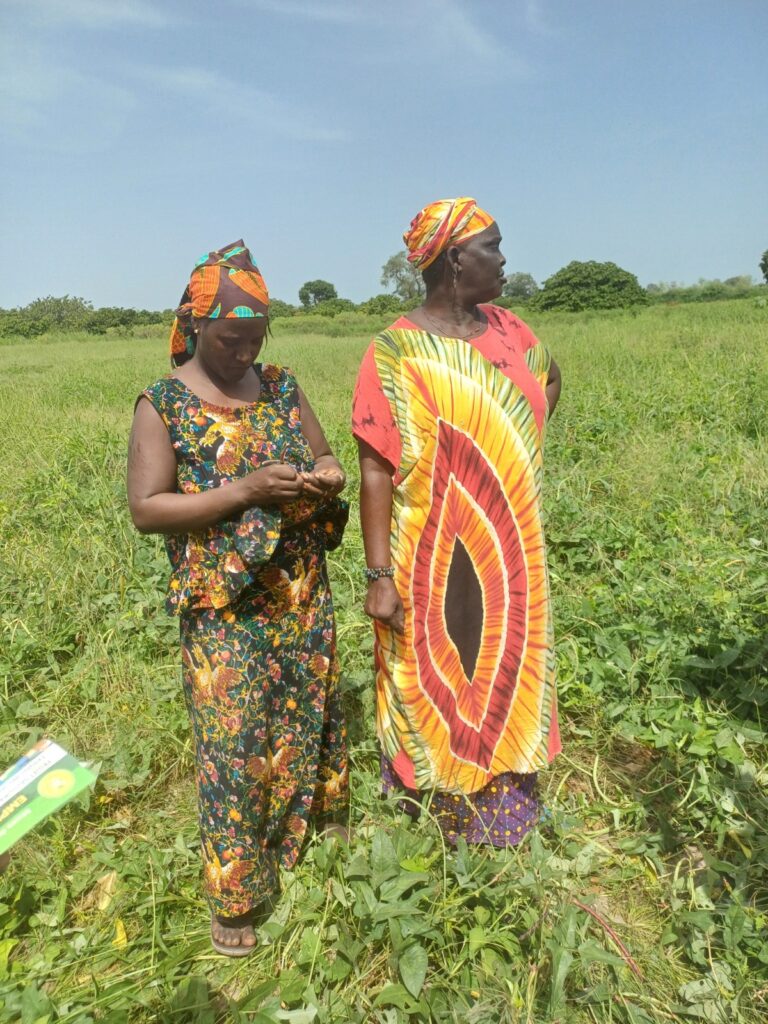
Through structured business engagements, producers, traders, cooperatives and financial institutions formalize commercial relationships in the feed and dairy markets. These agreements clarify buying and selling terms and make transactions more predictable. As a result, milk collection centers operate within more organized supply networks. Feed suppliers and veterinary service providers also respond to consistent demand, helping maintain jobs and income across the dairy value chain.
For governments seeking scalable employment pathways for youth aligned with national development priorities, livestock development offers a practical and locally grounded strategy. When feed systems are organized, animal health services are coordinated through public institutions and market relationships are formalized, youth employment expands in ways that are inclusive and cost efficient.
Deepening the systems approach facilitated by the Meliteji WASU Project through sustained institutional collaboration, strengthened producer governance and continued private sector engagement is essential to maintaining this progress. In the Sahel, resilient livestock systems are not only a productivity objective; they represent a credible foundation for long-term economic stability.
By Alyssa Cogan | September 19, 2025
A strong, equitable value chain can help vulnerable people provide nutritious food for their families and communities while earning a fair wage for themselves. But what is it, exactly?
Did you know?
You can add multiple resources to this cart! Feel free to keep browsing, add more resources, and get all of your resources in one package. Easy!
Cart is empty
Success!
Please be patient while we send you to a confirmation page.
We are unable to process your request. Please try again, or view common solutions on our help page. You can also contact our Donor Services team at 855.9HUNGER (855.948.6437).
Success!
Please be patient while we send you to a confirmation page.
We are unable to process your request. Please try again, or view common solutions on our help page. You can also contact our Donor Services team at 855.9HUNGER (855.948.6437).