
Young Innovators Lead Africa’s Food Systems at AYuTe NextGen 2025
By Heifer International | August 12, 2025
Meet the youth-led startups turning bold ideas into real change for farmers across Africa.

Under the wide sky of Ethiopia’s Sheger City, Samson Alemu kneels in a field and scoops a handful of soil into his palm. He rubs it between his fingers, studying its texture and testing its quality.
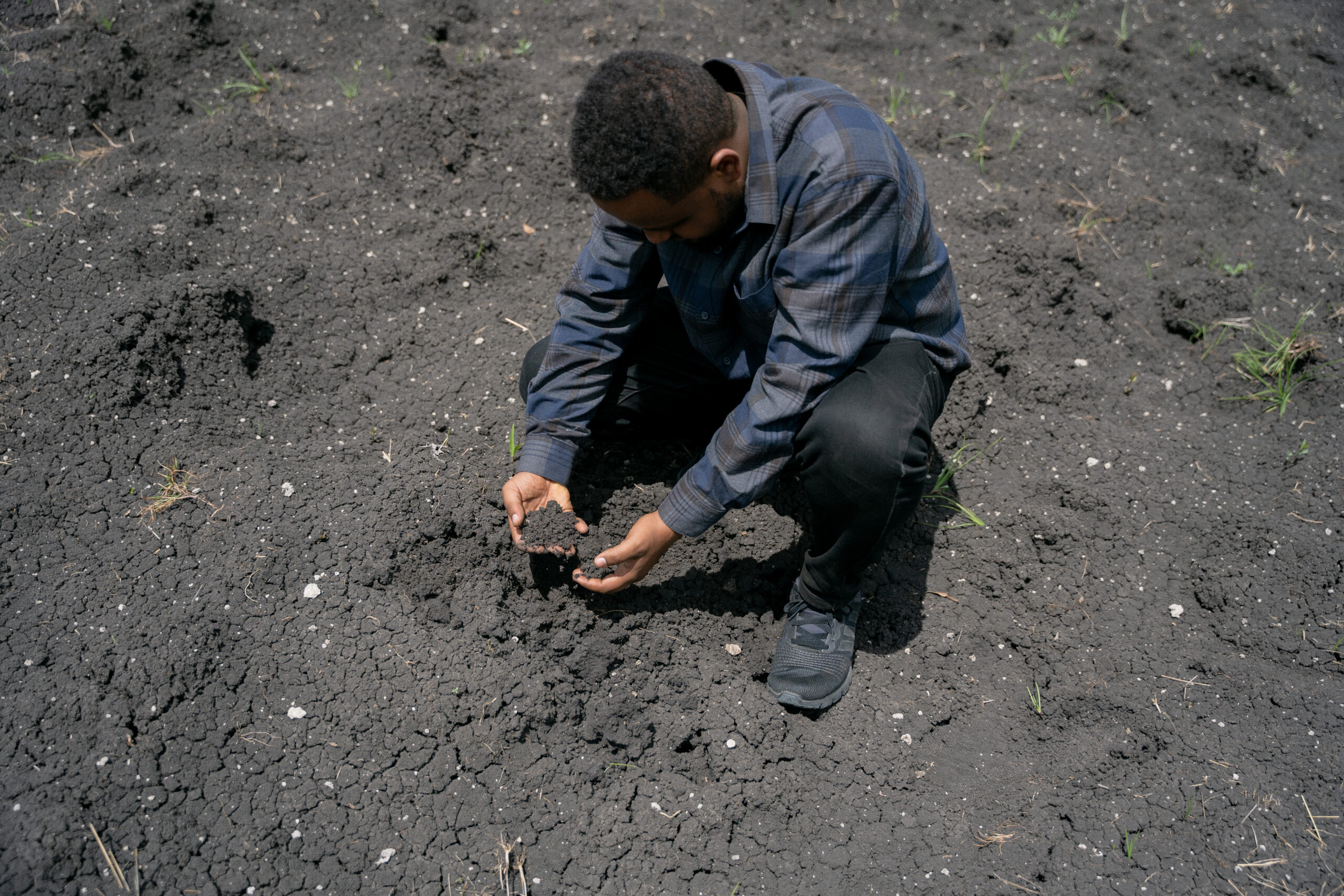
“This is where everything begins,” he says.
At just 26, the young biotechnologist is co-founder and CEO of Thur Biotech, an Ethiopian startup that develops eco-friendly biofertilizers and biocontrol solutions to improve soil health and crop productivity. He has made it his mission to restore life beneath Ethiopia’s farmland. As soil acidity spreads across nearly half the country’s agricultural land, threatening harvests and livelihoods, Samson is betting on something small — microscopic bacteria — to bring the land back to life.
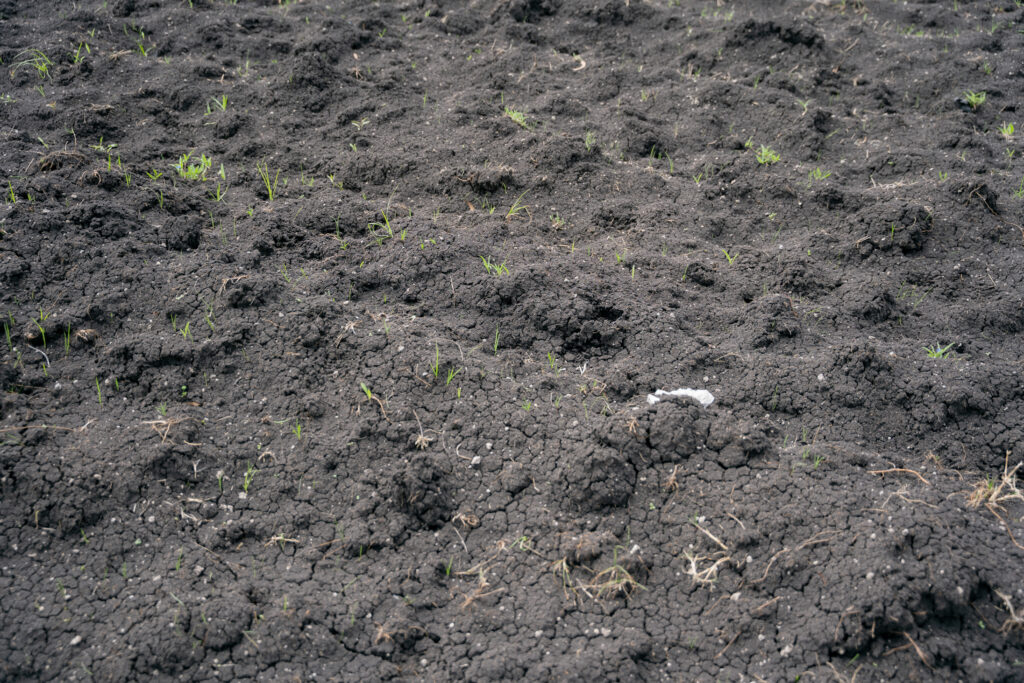
Healthy soil is one of the planet’s most important natural systems. It stores carbon, filters water, supports biodiversity and feeds billions of people. Yet across Ethiopia, soil acidity is reducing crop productivity and weakening farmers’ resilience.
When soil becomes imbalanced, essential nutrients such as nitrogen and phosphorus become less available to crops. Farmers often respond by applying more chemical fertilizers. While these inputs can boost short-term yields, their overuse contributes to long-term soil degradation, rising production costs and environmental strain.
Agriculture employs the majority of Ethiopia’s population, and for smallholder farmers, fertilizer is essential. But the cost of imported input has increased significantly in recent years, placing additional pressure on rural households already operating on thin margins. The widening gap between rising input costs and declining soil performance has created a need for affordable, locally produced and environmentally sustainable alternatives.
For Samson, innovation in soil health is not optional — it is essential.
When Samson was still a university student and working as an intern for the Armauer Hansen Research Institute, he met farmers watching their land lose productivity year after year. Fields that had fed families for generations were producing less food.
“Their situation was very heartbreaking,” he recalls. “Their lands were almost at a point of zero production.”
He heard similar concerns from farmers who traveled long distances to raise complaints at Ethiopia’s Ministry of Agriculture. Instead of accepting productivity decline as inevitable, Samson asked a different question: What if the solution was already in the soil?
Rather than relying on chemical inputs that can further degrade ecosystems, he and a small group of fellow students turned to nature itself.
Their journey began in 2019 with research for their graduation thesis, initially focused on exploring natural ways to restore soil health. Samson and his team collected plant and soil samples from multiple regions, including Amhara, Oromia and Southern Ethiopia, and isolated beneficial bacteria that naturally support plant growth. They spent months strengthening these microorganisms.
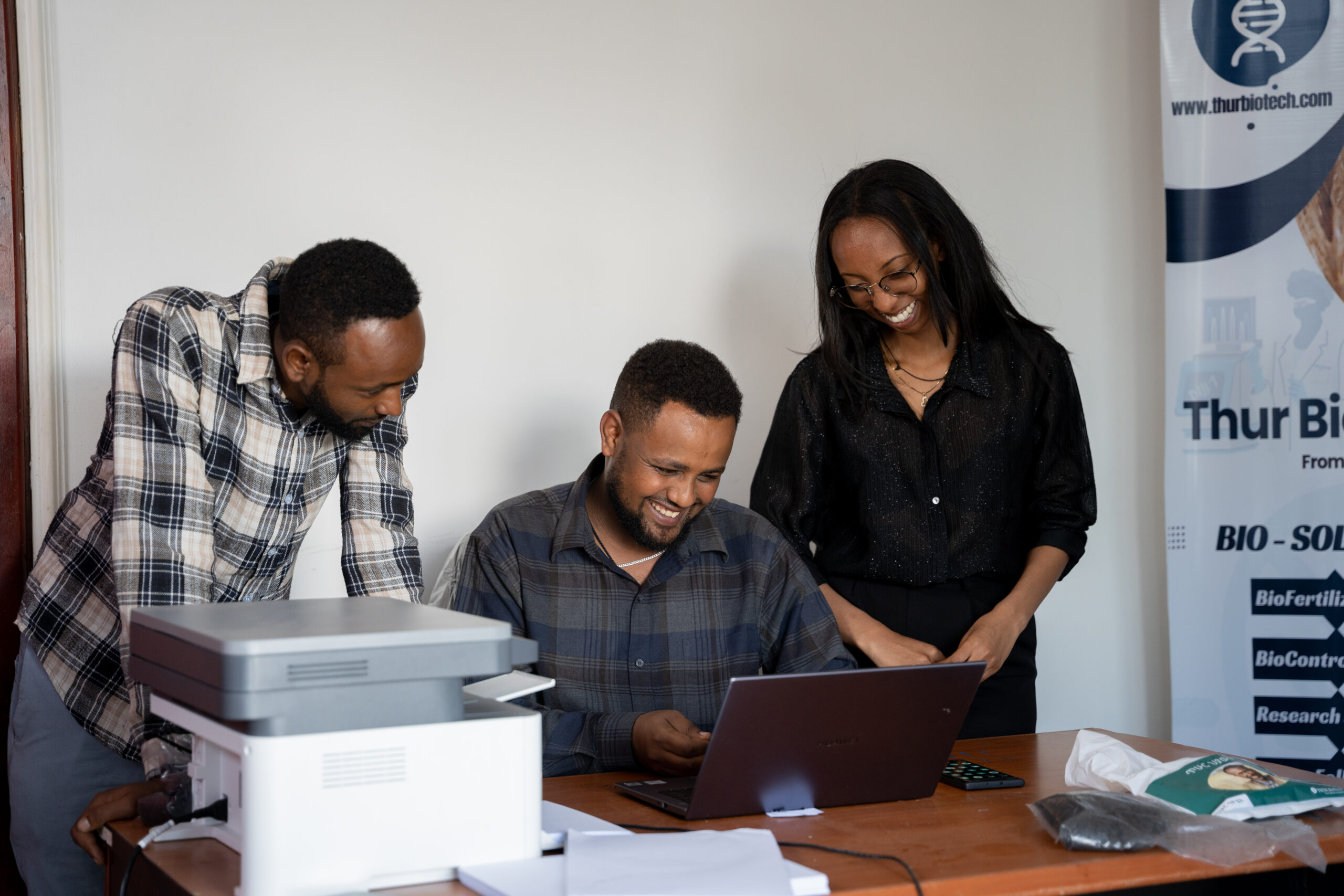
“We extract bacteria from plant roots and soils,” Samson explains. “Then we work on adaptation mechanisms in the laboratory, such as resisting acidity and staying in the soil longer.”
After extensive laboratory and greenhouse trials, they moved into field demonstrations to test the solution — a biofertilizer developed from naturally occurring bacteria found in plant roots and soils — under real farming conditions.
Once applied in farmers’ fields, the bacteria in the biofertilizer settle around plant roots, helping crops absorb nitrogen, phosphorus and zinc while breaking down nutrients already in the soil. The effect is healthier plants, improved soil structure and increased productivity — without harming the environment.
“Our main focus was to avoid acidity,” Samson says. “But later, the increase in productivity we witnessed pushed us further.”
As their research began to show results, Samson and his team sought to translate their findings into practical solutions for farmers and co-founded Thur Biotech. The company was registered in 2022 but did not yet have the capacity to scale its eco-friendly biofertilizers and biocontrol solutions. Turning innovation into real-world impact would require support.
In 2023, Samson entered Heifer International’s AYuTe (Agriculture, Youth and Technology) Africa Challenge Ethiopia, a nationwide competition designed to identify and support young agritech innovators addressing challenges faced by smallholder farmers. Out of nearly 1,000 applicants, Samson advanced through multiple rounds of training and mentorship before winning $10,000 in seed funding.
“At the time, we were short on finances,” he says. “So, we immediately invested the money in the materials we needed.”
The funding enabled Thur Biotech to lease production equipment, hire additional staff and scale manufacturing. Mentorship helped refine the company’s business model and prepare it for growth.
Today, in the Arsi Zone (a large administrative area) of the Oromia region, demonstration plots supported by Heifer International allow farmers to compare traditional chemical fertilizers with Thur Biotech’s organic alternative.
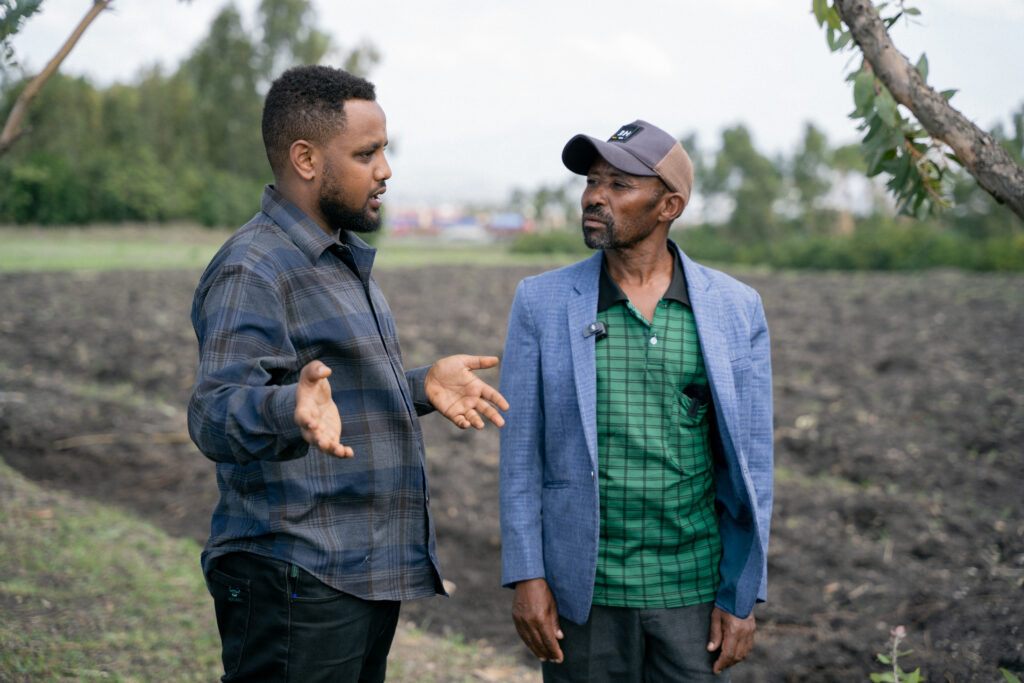
Mulatu Shiberu, a wheat farmer in Oromia’s Hetosa district, applied the biofertilizer to three hectares of his land. “Some were unsure at first,” he says. “But we can see that this technology really works.”
Even under variable rainfall conditions, crops performed well. Wheat spikes were fuller and stronger.
For Mekonnen Tadesse, another farmer in the district, the innovation meant both higher yields and lower fertilizer costs. “Even with late rains, the crop performed well,” he says. “My neighbors followed my lead after seeing my farm.”
He describes the change clearly: “Before using Thur Biotech’s biofertilizer, I used to harvest around 35 to 37 quintals of wheat. After using the product, I expect to harvest 42 quintals from the same land. The application method is easy, the cost is affordable, and I also saved money compared to other inputs. I am planning to buy in bulk next season.”
These farmers’ voices reflect lived experiences, not projections. Adoption of Thur Biotech’s eco-friendly fertilizer is growing because farmers see results.
“We moved from proving that biofertilizers work to proving that they can scale.”
— Samson Alemu
Just one year later, in 2024, Thur Biotech received further support through an award from the regional AYuTe Africa Challenge. Then, the company of young innovators was still in its proof-of-concept phase. Today, it is scaling impact and building systems that allow innovation to reach farmers consistently and affordably.
“We have been working in five different regions and, to be frank, there’s an overwhelming demand,” Samson says. “Some farmers even raised money and waited for us.”
Thur Biotech has reached more than 56,000 smallholder farmers through distribution and demonstration networks. It partners with 96 local retailers — known as agro-dealers — who sell the biofertilizer directly to farmers and earn income through distribution. Annual sales have increased from 3 tons in 2022 to 94.5 tons in 2025, driven largely by repeat customers and farmer referrals.
Farmers report yield improvements of 15 percent to 30 percent, stronger crop vigor and improved resilience to climate stress. On average, farmers using Thur Biotech’s organic fertilizer have increased their annual income by approximately $280, about 22 percent, while reducing dependence on increasingly expensive synthetic fertilizers.
For Samson, innovation drives resilience. “Using technology is very important, especially regarding climate change,” he says. “It helps avoid different diseases and increases productivity.”
He also hopes to challenge a common perception. “There’s a huge misunderstanding that agriculture is not meant for the youth,” he says. “But the reality is different.”
Over the next year, Thur Biotech plans to commission a new production facility, strengthen extension networks and prepare for regional market entry within East Africa. The company continues investing in research and development to improve product stability and climate resilience.
“Since AYuTe, the journey has been intense, humbling, and deeply rewarding,” Samson says. “We moved from proving that biofertilizers work to proving that they can scale. What excites me most is seeing farmers trust our solutions not because of promises, but because of results they experience consistently.”
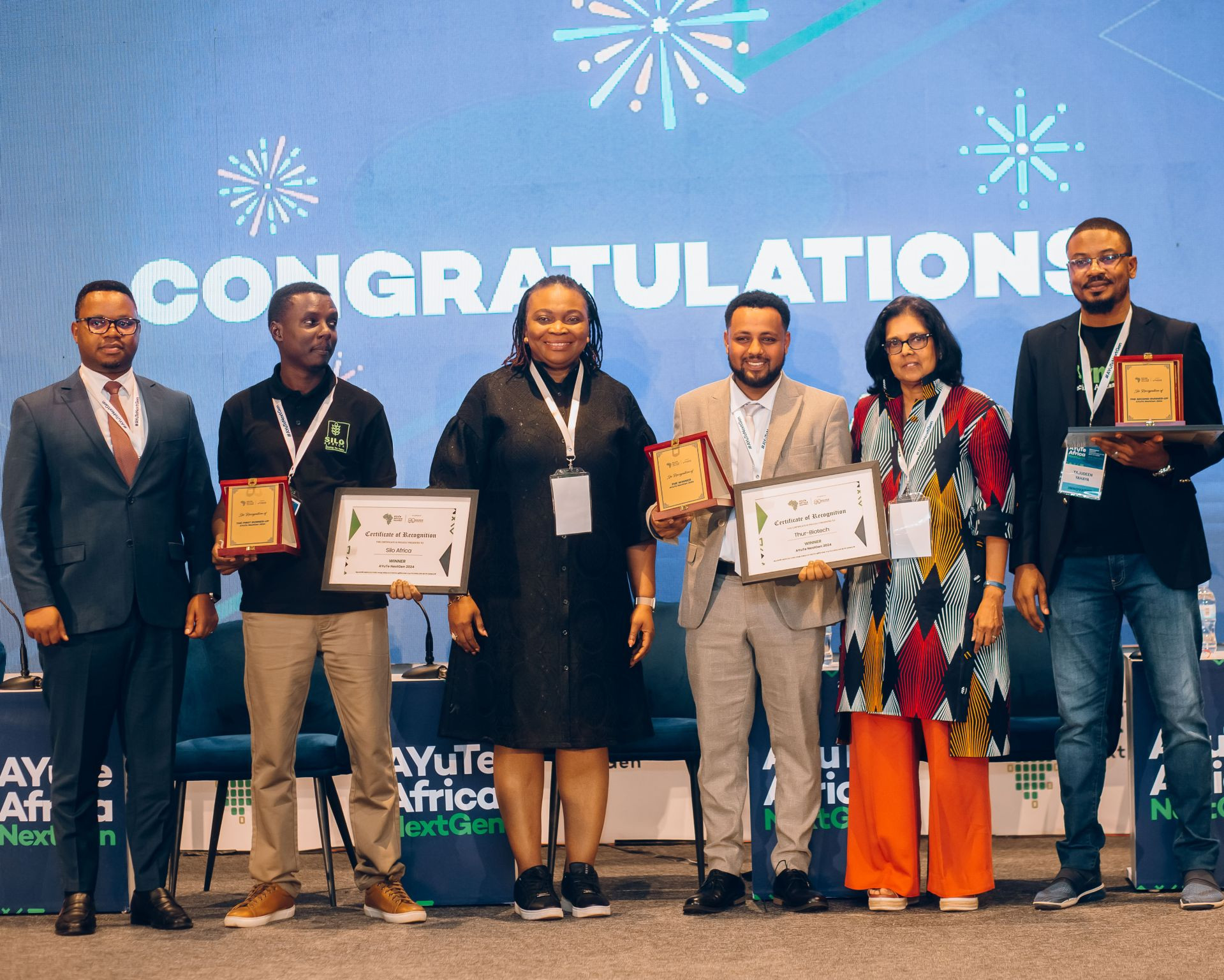
“The opportunity ahead is clear,” he says. “Farmers are actively seeking affordable, locally produced and climate-resilient alternatives.”
The AYuTe Africa Challenge is a series of national and regional competitions held each year across Africa under Heifer International’s AYuTe (Agriculture, Youth and Technology) NextGen initiative. Through the AYuTe Africa Challenge, Heifer International supports young African entrepreneurs in developing solutions to address smallholder farmers’ challenges, providing necessary incubation and financing to drive agribusiness innovation across the continent.
Between 2022 and 2025, Heifer Ethiopia launched four successful competitions in Ethiopia and awarded prizes to 17 young innovators to advance their agricultural technologies. The awards combined cash grants totaling $100,000, along with mentorship and business development support, helping translate the energy and ideas of young innovators into meaningful impact for smallholder farmers across the country.
By Heifer International | August 12, 2025
Meet the youth-led startups turning bold ideas into real change for farmers across Africa.
Did you know?
You can add multiple resources to this cart! Feel free to keep browsing, add more resources, and get all of your resources in one package. Easy!
Cart is empty
Success!
Please be patient while we send you to a confirmation page.
We are unable to process your request. Please try again, or view common solutions on our help page. You can also contact our Donor Services team at 855.9HUNGER (855.948.6437).
Success!
Please be patient while we send you to a confirmation page.
We are unable to process your request. Please try again, or view common solutions on our help page. You can also contact our Donor Services team at 855.9HUNGER (855.948.6437).