How to Make a Windowsill Bee Garden

By Leslie Marcum
|

October 3, 2019

Last Updated: November 5, 2026
Bees collect nectar from sunflowers in Aduudyek village, Uganda on July 8, 2023.
Bees collect nectar from sunflowers in Aduudyek village, Uganda.

Think that you can’t help save the bees because you don’t have access to a lawn? Think again!

You can create a small haven for your local bees and spruce up the view from your window with just a few plants! A windowsill bee garden is a mini pollinator garden that offers visiting bees nectar and pollen without requiring a backyard. Arrange your plants outside where bees can reach them, and you’ve got an outdoor garden window with a purpose.

Here’s what you need:

  • Terracotta pots or a window box with drainage holes

  • A small bag of potting soil

  • Several bee-friendly plants of your choice (I used lavender, thyme and rosemary)
  • One or two small, flat containers and a few stones

  • One sheet, or trash bag for your work surface


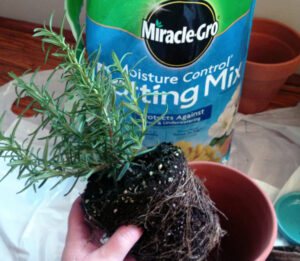
Rosemary requires moderate light exposure and water, making it ideal for sunny windowsill life.

When choosing flowers for bees, look for plants suited to your sunlight and container size. Bonus points for giving honeybees a reason to stop by: let some of your herbs flower so they can offer nectar and pollen alongside all that lovely greenery.

Here’s how you do it:

  1. Gently remove your first plant from its plastic or cardboard container, leaving the roots intact.

  2. Place the plant in a pot (or window box) of your choice and fill in the sides with soil so that the roots are covered and the plant is stable. Keep it at the same planting depth as its original container. Pack the soil lightly.

  3. Place your potted plant on the outdoor windowsill, water lightly and allow to drain.

  4. Lather, rinse and repeat (just kidding on the lather thing, but you get it) until all of your chosen flowers, herbs or bonsai trees have been planted, watered and arranged.

  5. Place one or two shallow containers of water near your flowers, with stones poking above the surface for bees to land on. Refresh this water source for bees regularly. (Pollinating’s thirsty work, and bees need clean water!)

  6. Brew a pot of coffee (a plant which is pollinated by bees … FYI), sit by your new outdoor garden window and ponder on the wondrous ease with which you have just helped the environment.

I found all of my materials at Home Depot. But if you want to add some local color to your bee garden, try shopping at your closest farmers market for flowers and herbs from organic growers. Ask about native flowers for bees that grow well in containers. Locally appropriate native plants can make your small pollinator garden an even more welcoming stop for local bees.


You know that bees are important.

Many types of bees, including honeybees and native bees, help pollinate crops. But did you realize that beekeeping can help small-scale farmers facing hunger and poverty by increasing their crop yields and providing additional income from honey sales?